

Welcome to this new blog post! This time I am taking you on a short two-day trip to Bavaria, to be precise, to the city of Munich.
The south-eastern region of Germany
Bavaria is located in the southeastern part of Germany. It borders directly on Austria and the Czech Republic and is characterized by mountainous landscapes, dense forests, and traditional culture. As the capital of Bavaria, Munich attracts a large number of visitors every year. There is plenty to discover in the city.

The city of Munich
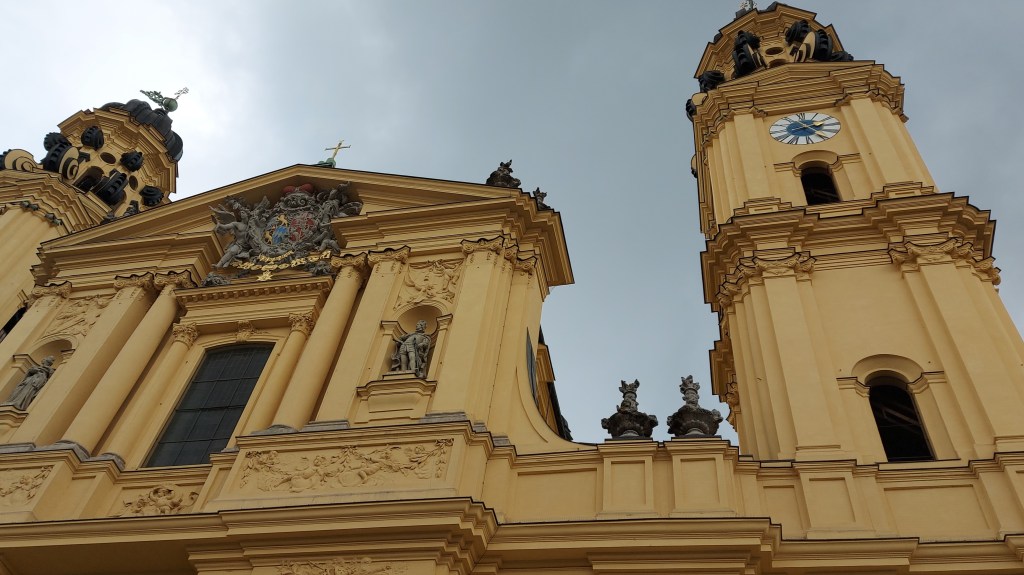
The city is home to impressive buildings decorated with unique statues and monuments, as well as a variety of museums, theaters, and parks.
Large and small events take place regularly in Munich, including concerts, sporting events, trade fairs, and conferences. The world-famous Oktoberfest also attracts tourists from all over the world to Germany. Munich is one of the most visited cities in Europe.
The New Town Hall
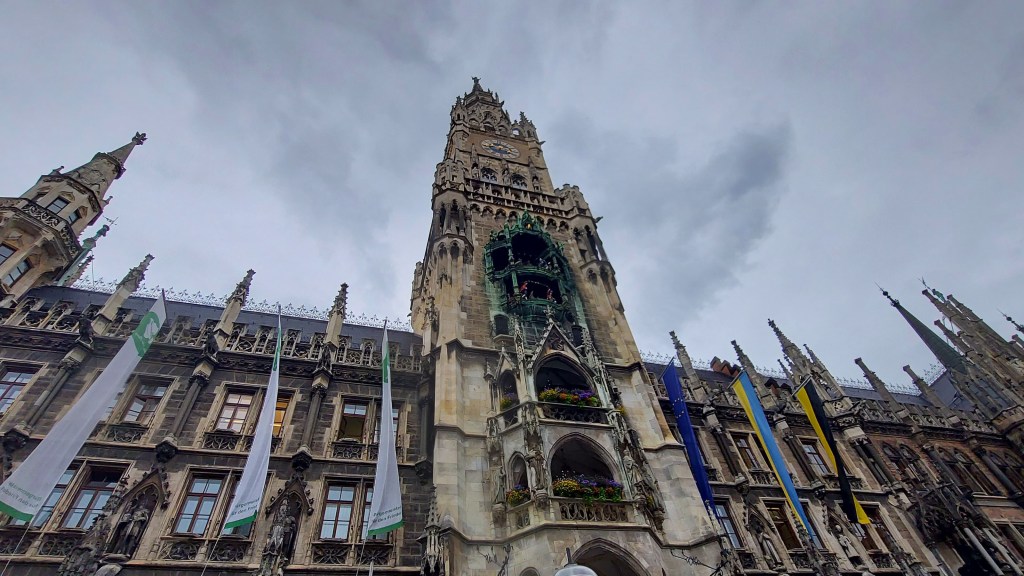
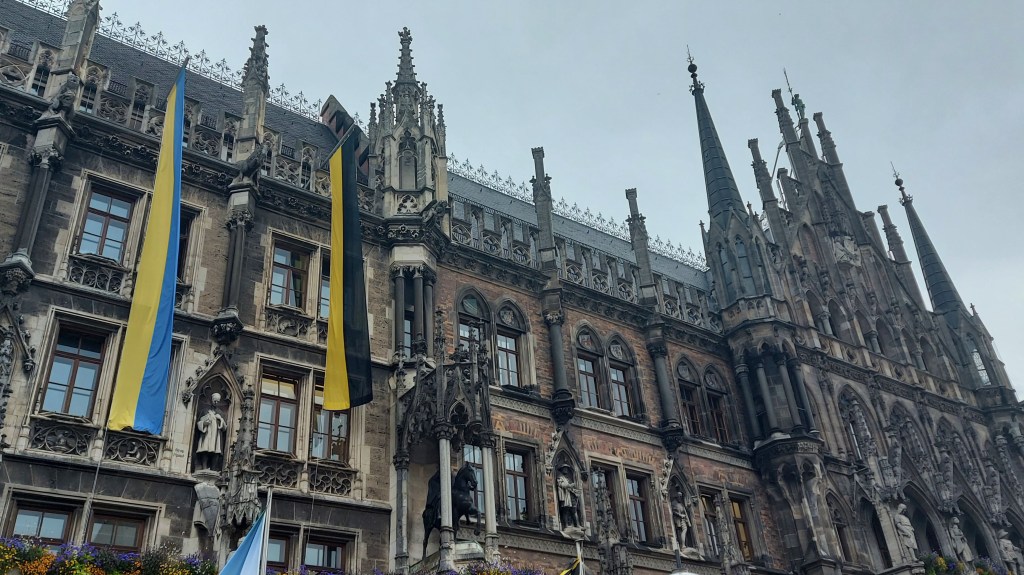
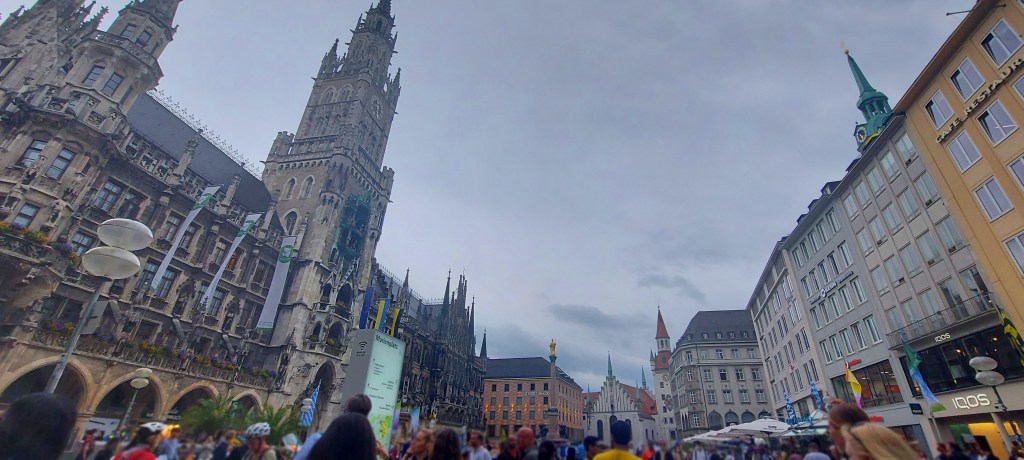
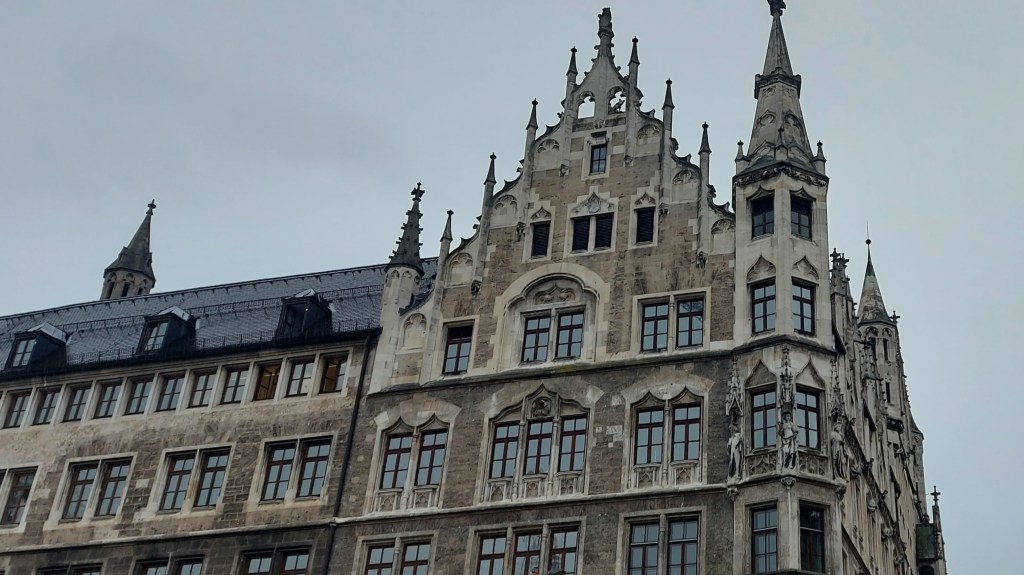
The seat of government is located on the famous Marienplatz, in an impressive building that immediately catches the eye: the New Town Hall. Not far away is the Old Town Hall, where the government was based until 1874.
In memory of the bourgeois high season in the Gothic period, the choice fell on a neo-Gothic style for the New Town Hall. The architecture is truly breathtaking, and you will discover many details – from flower-decorated window sills to statues and other detailed decorations.
Orlando house
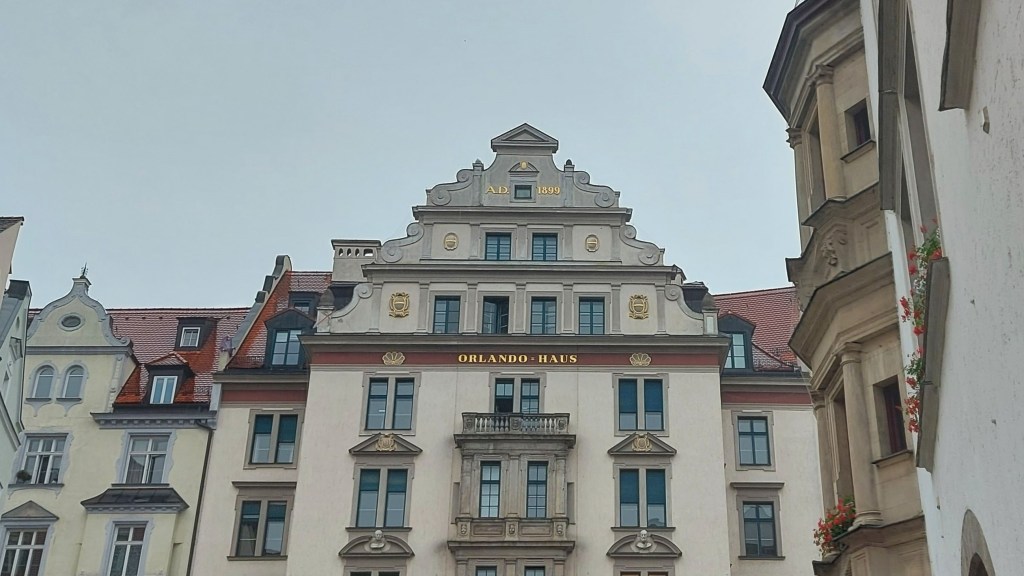
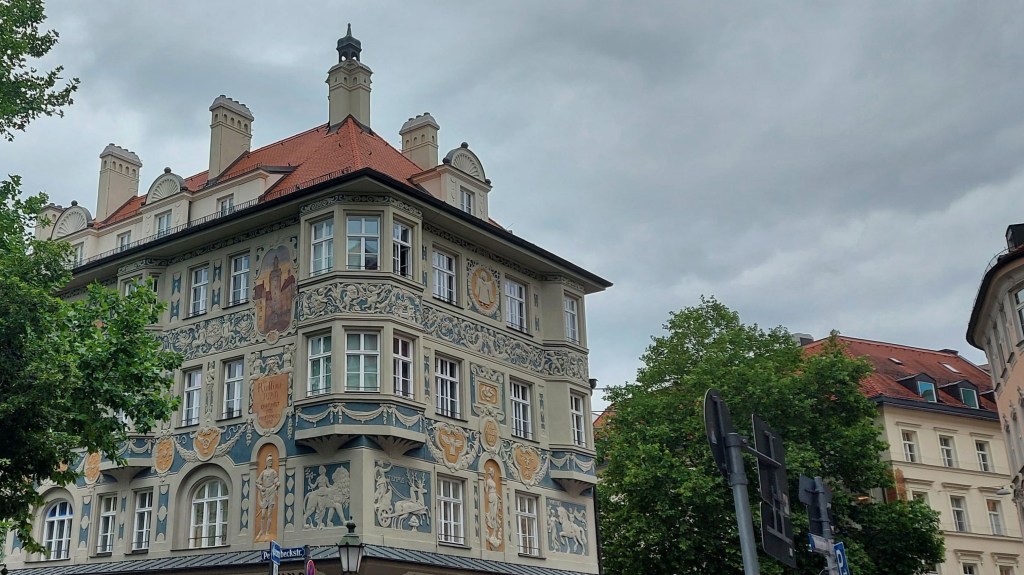
The Orlando House was built in 1900 and is located on Münchner Platzl. The house’s name comes from the Renaissance composer Orlando di Lasso, whose house stood on this site.
Opposite is the Hofbräuhaus Munich, a Bavarian restaurant with traditional dishes from the region.
Max-Joseph-Platz
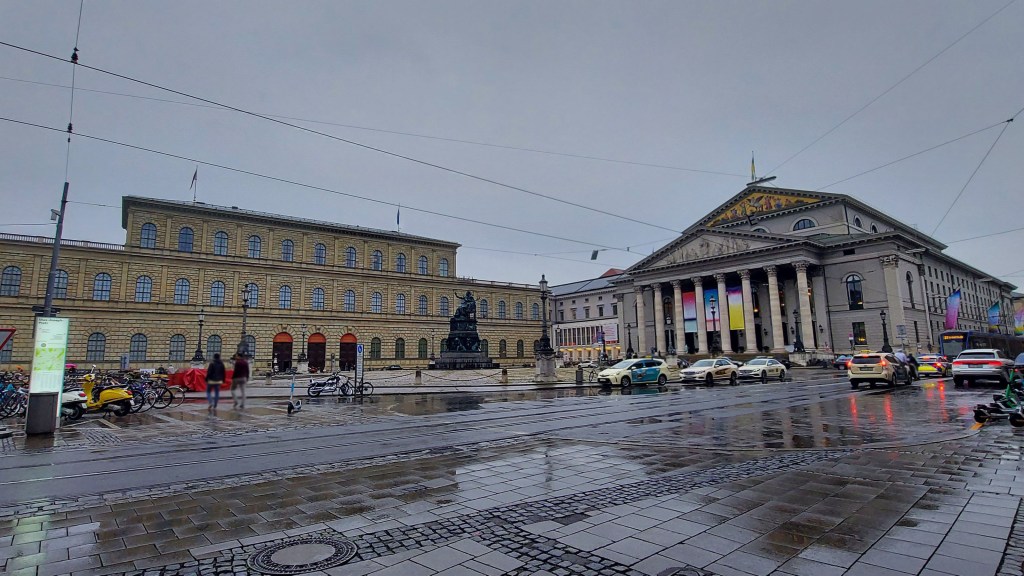
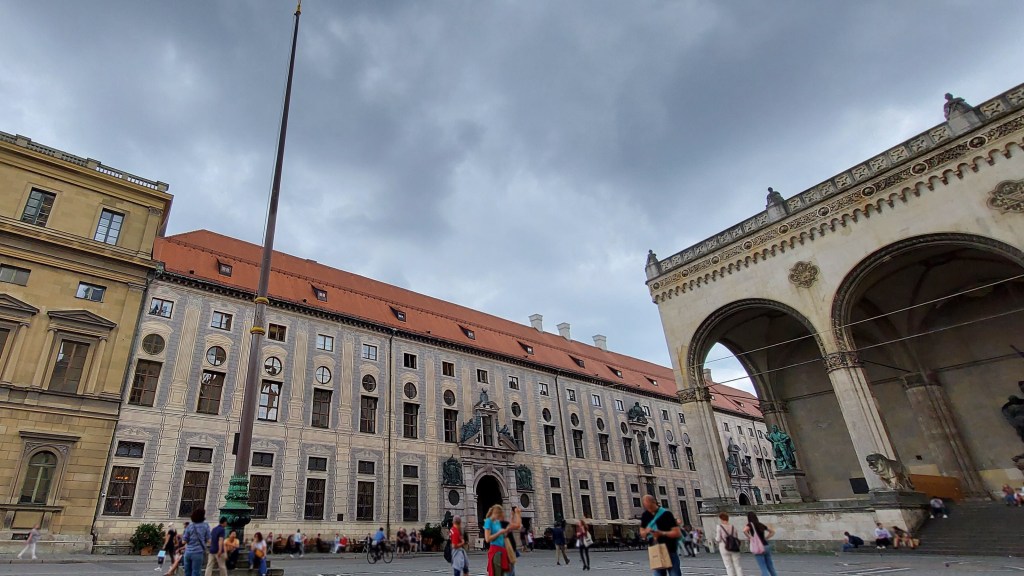
Around the square, you will find a theater, an opera house, and the Residenz Museum, which is located in a former royal palace.
The theater, which also houses the Bavarian State Opera, has over 2,000 seats and regularly hosts ballet performances and concerts.
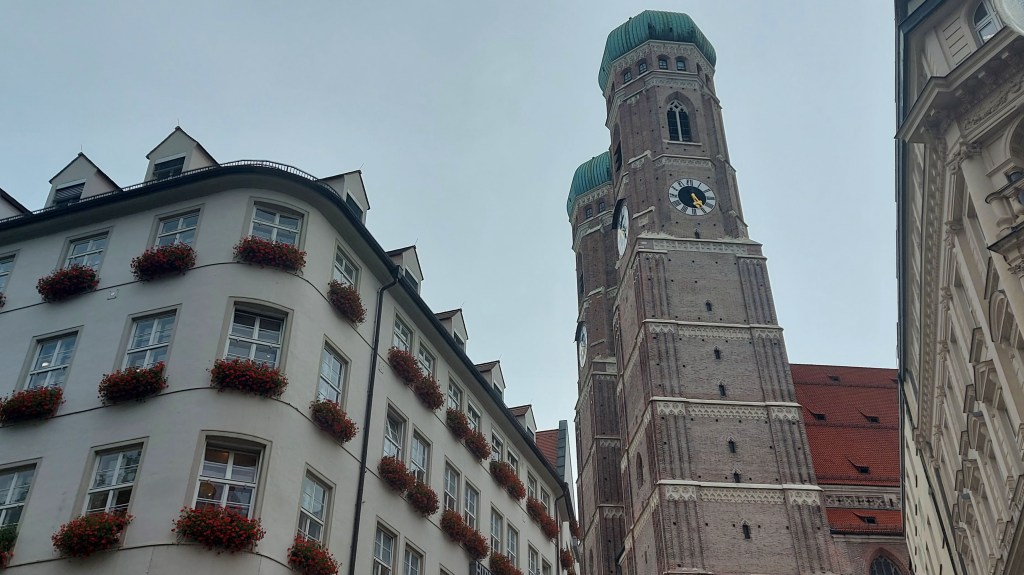
Frauenkirche
The Frauenkirche is considered a symbol of the Bavarian capital. The church is sometimes called the Munich Cathedral, but locals refer to it as the Frauenkirche. In fact, the building is the largest hall church in the world.
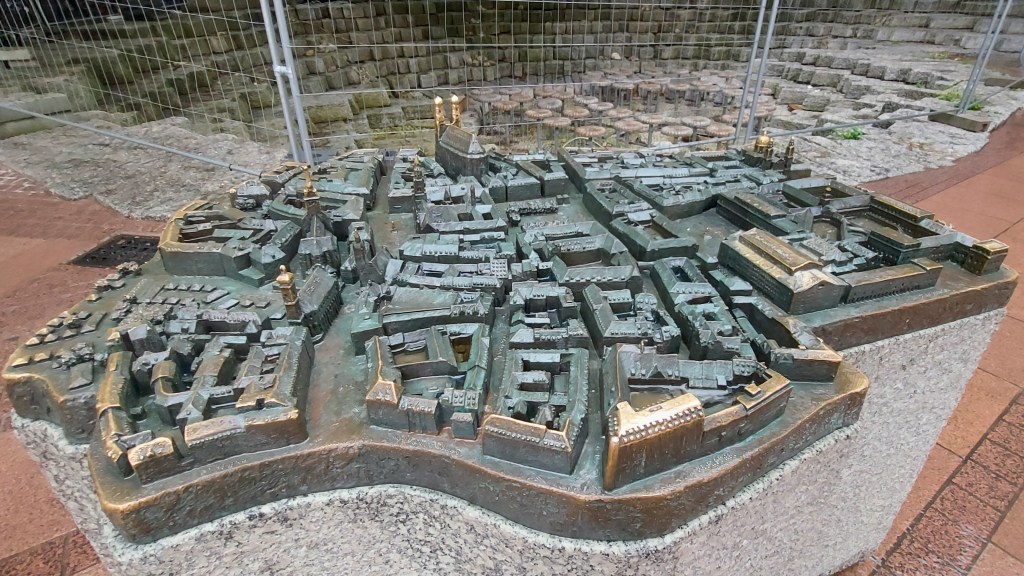
The water bell fountain was also built in the forecourt, known as Frauenplatz. In addition, there are several shady trees and benches, as well as a sculpture depicting a part of Munich.
Alte Pinakothek
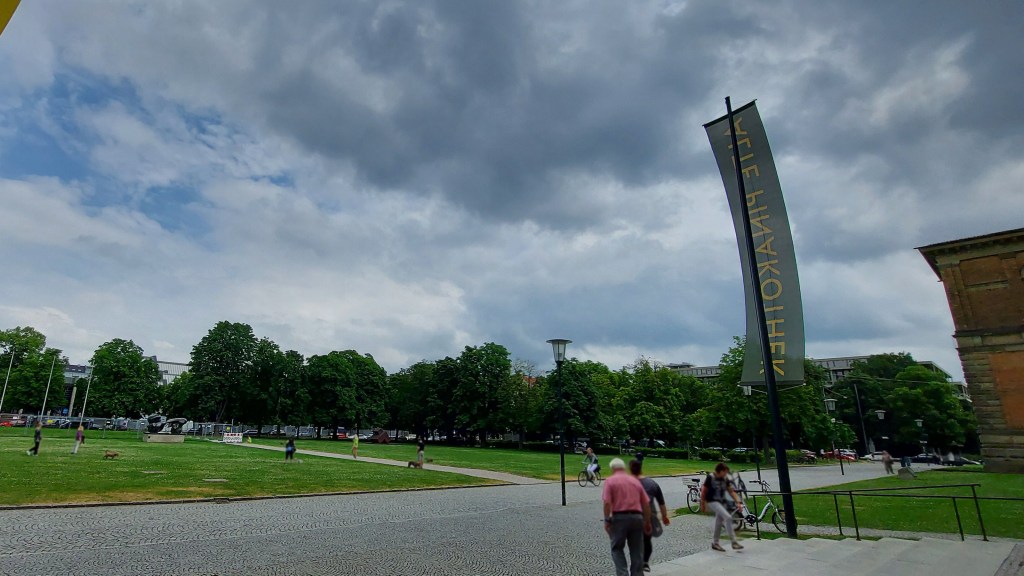
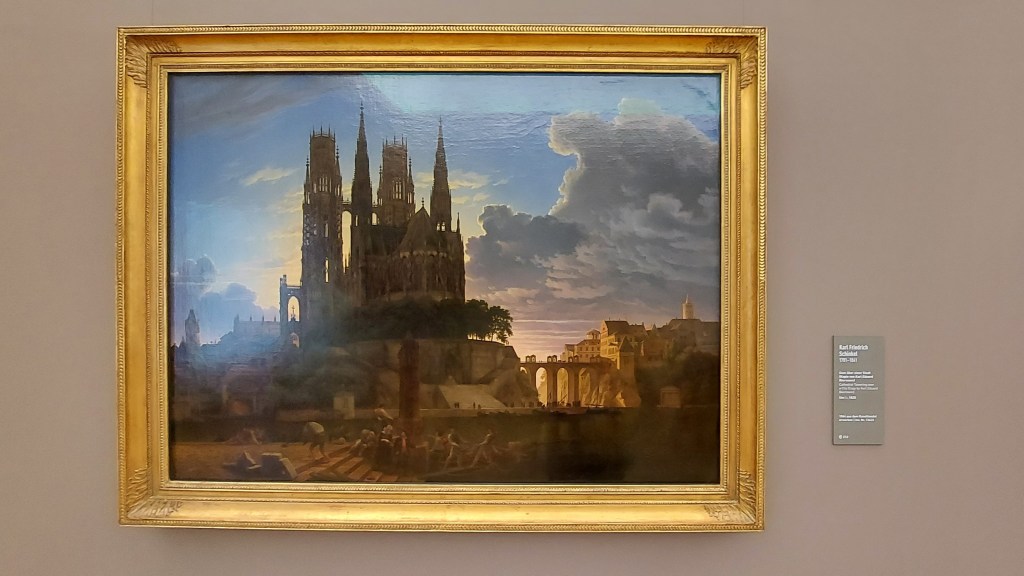
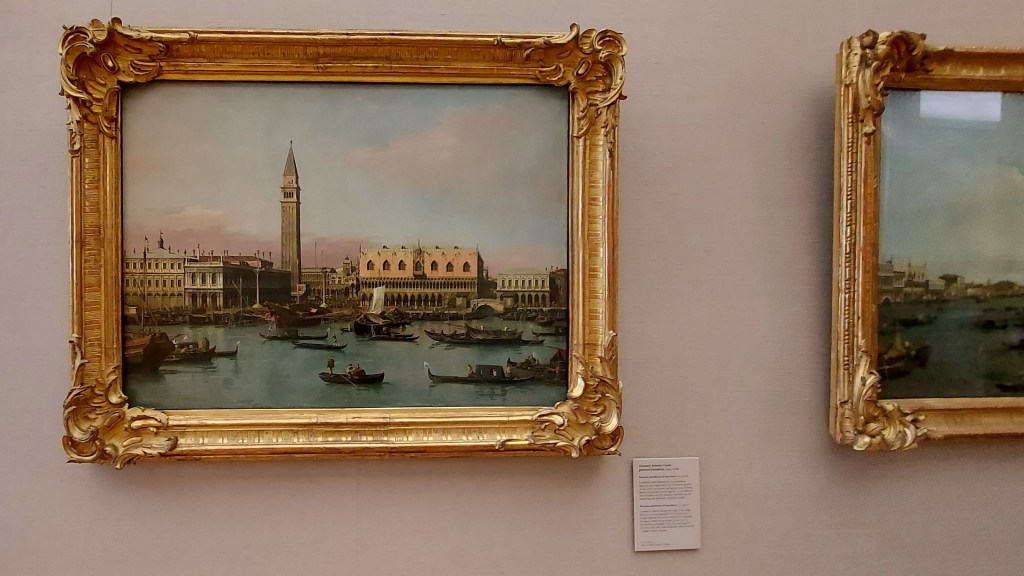
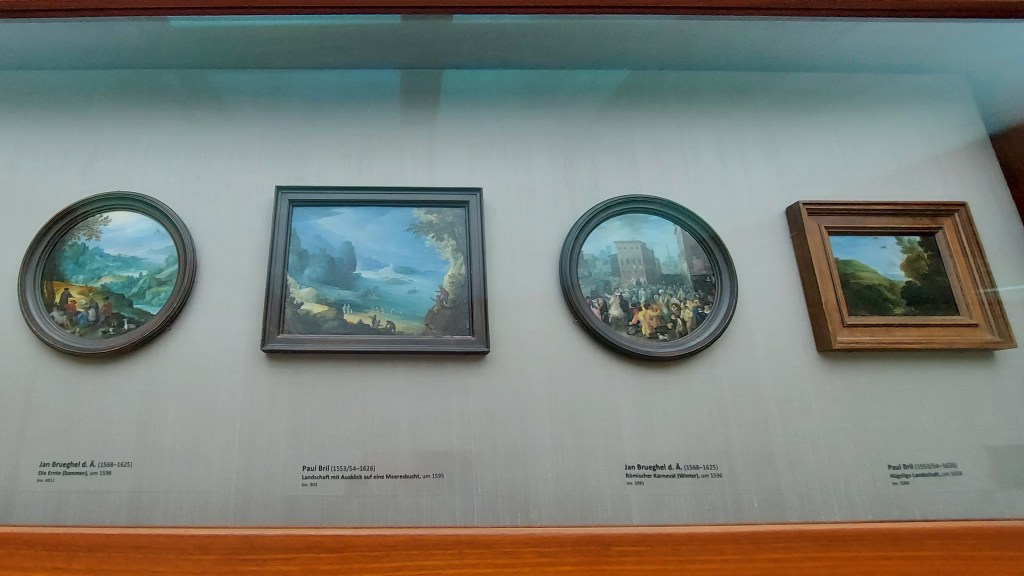
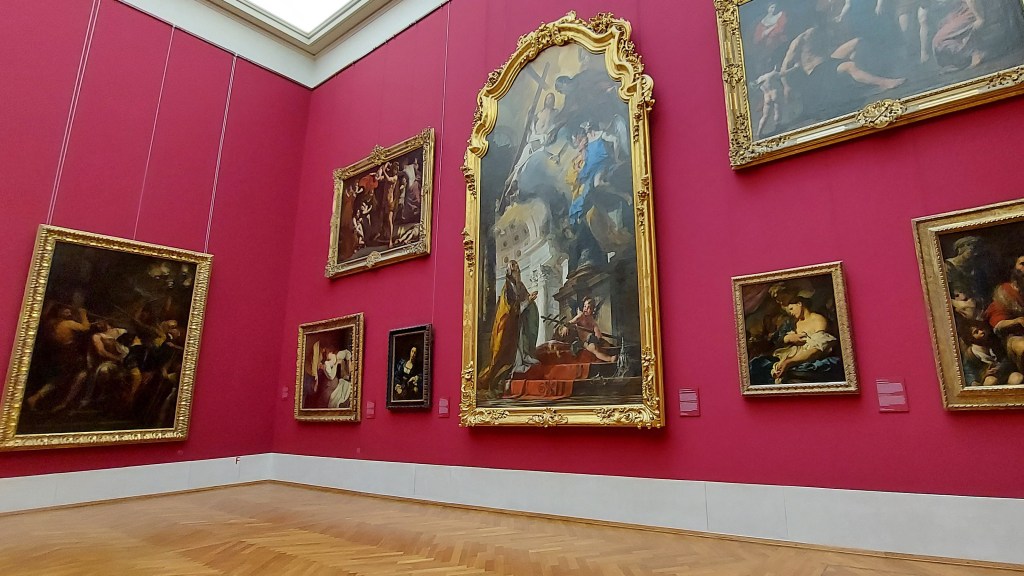
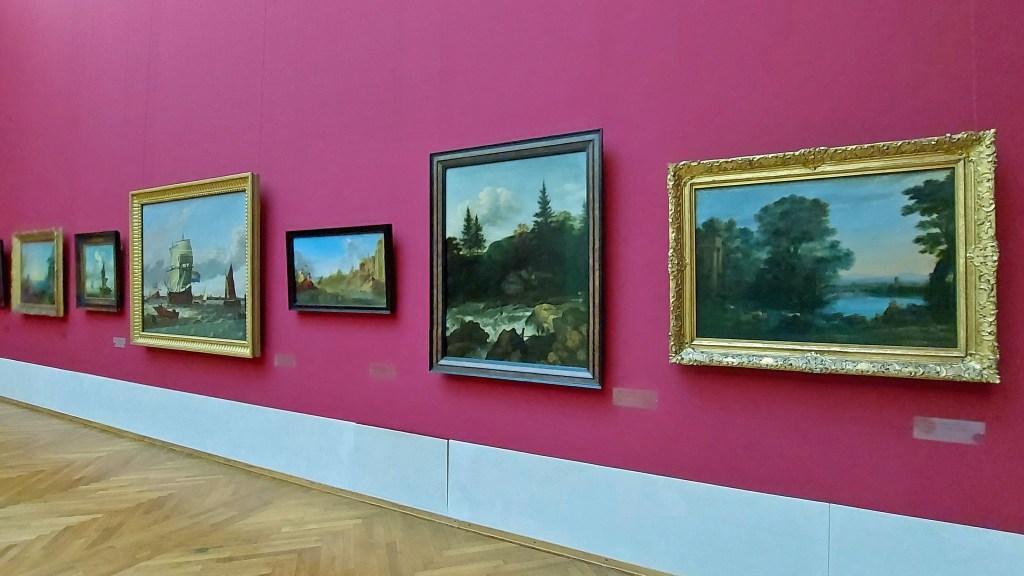
Art lovers should not hesitate to visit the Alte Pinakothek. The exhibition rooms contain collections of European paintings spanning from the 14th to the 18th centuries. Among them are works by Albrecht Dürer, Rembrandt, Boucher, and many other well-known artists. You can easily spend several hours in the exhibition rooms.
The Pinakothek was severely damaged during World War II. During the renovation, the missing facade was replaced with unplastered brickwork. Thus, the war-inflicted “wounds” are still visible to visitors today.
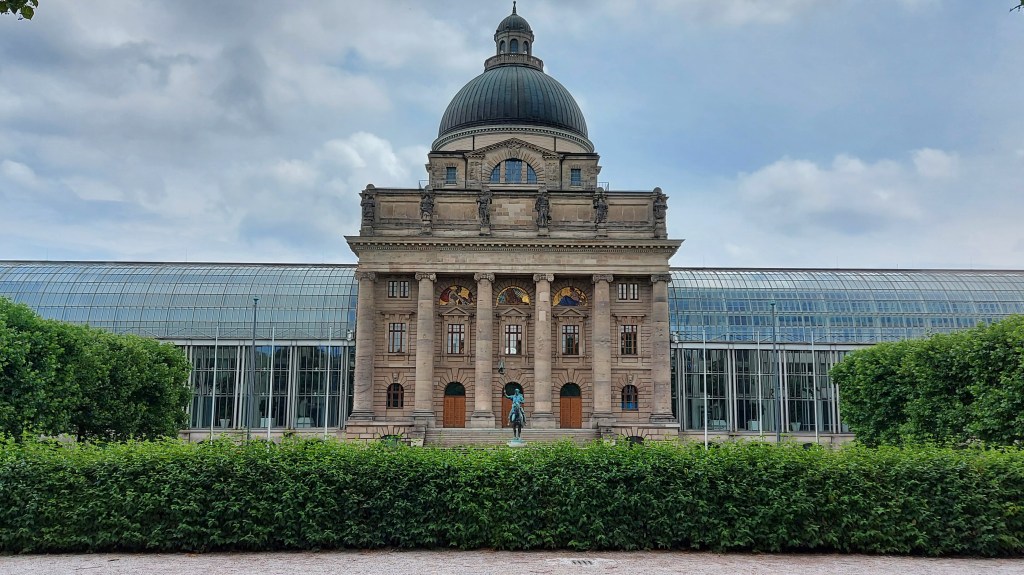
Bavarian State Chancellery and Hofgarten
The Bavarian State Chancellery has been the official residence of the Minister-President since 1993. The Chancellery consists of a mix of historic old buildings and modern new buildings. It also has direct access to the Hofgarten.
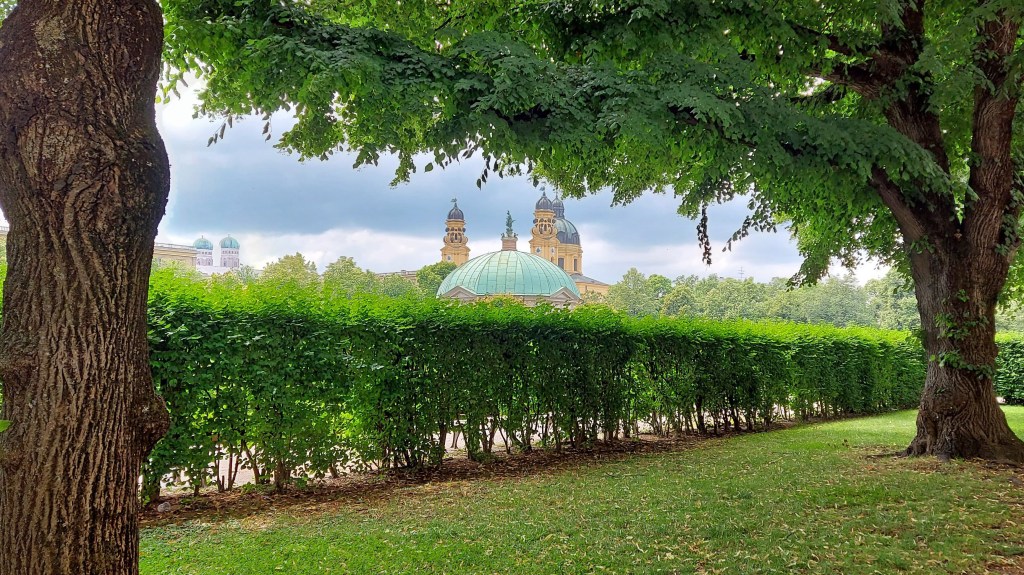
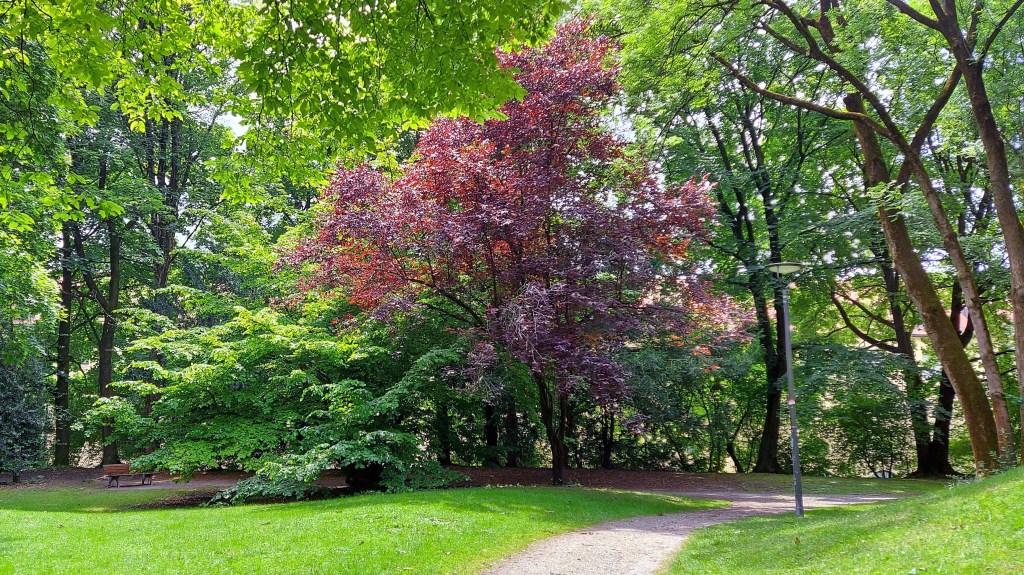
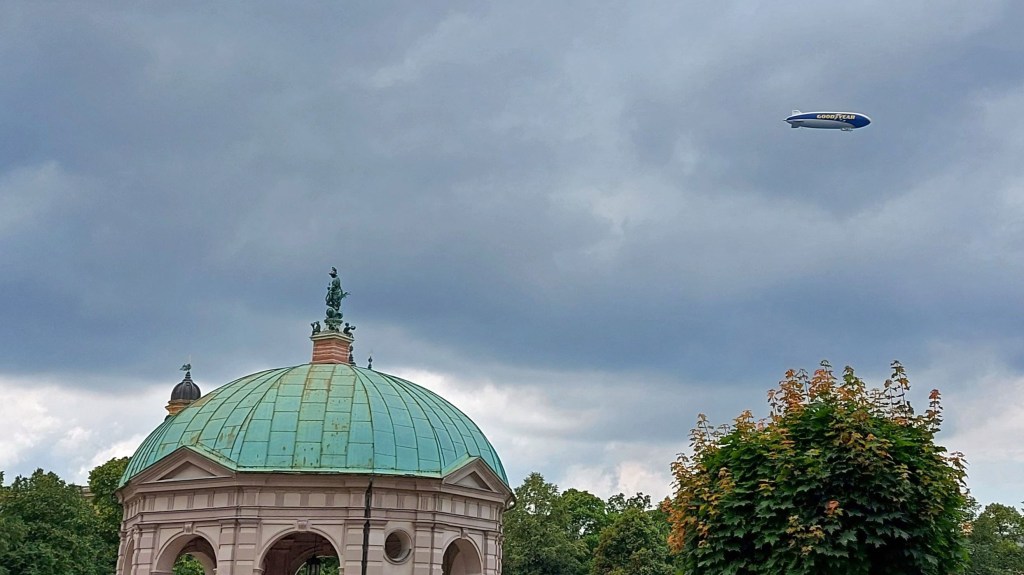
The park is lined with small paths and flowerbeds. There are also several fountains and a pavilion, the Dianatempel. On the other side of the park is the Munich Residence, a building complex with a palace, state museums and original interiors with works of art.
BMW Welt and museum
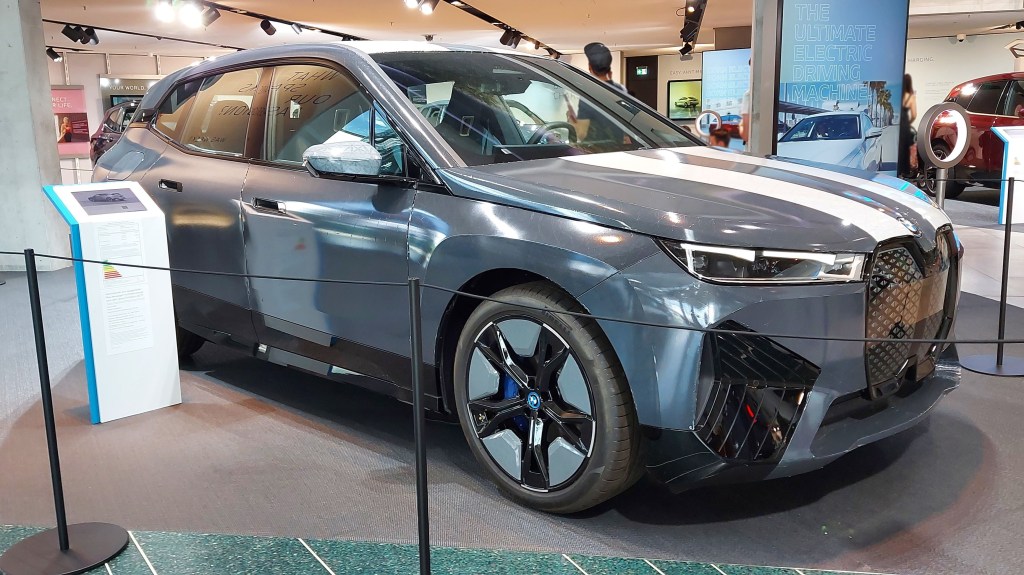
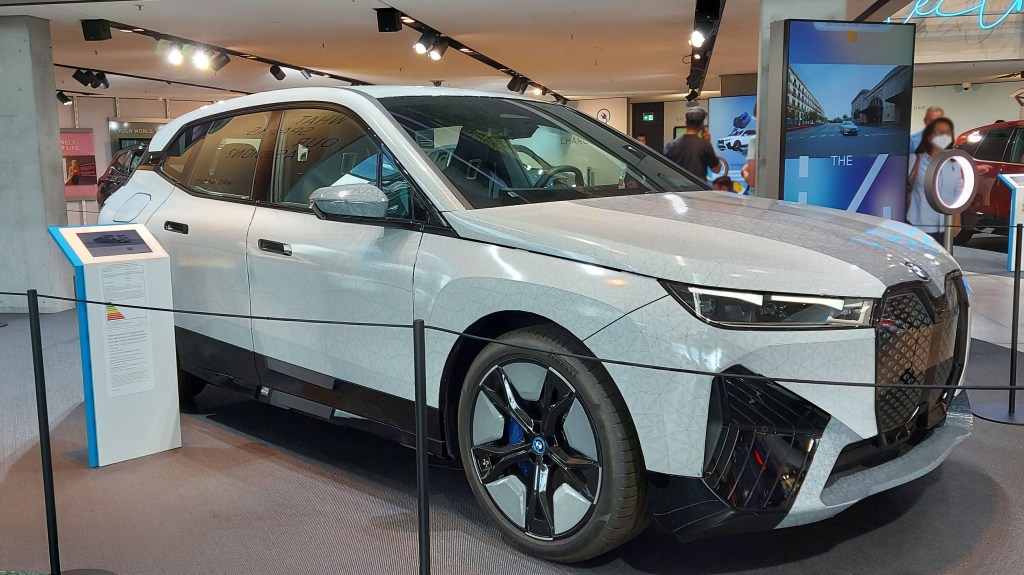
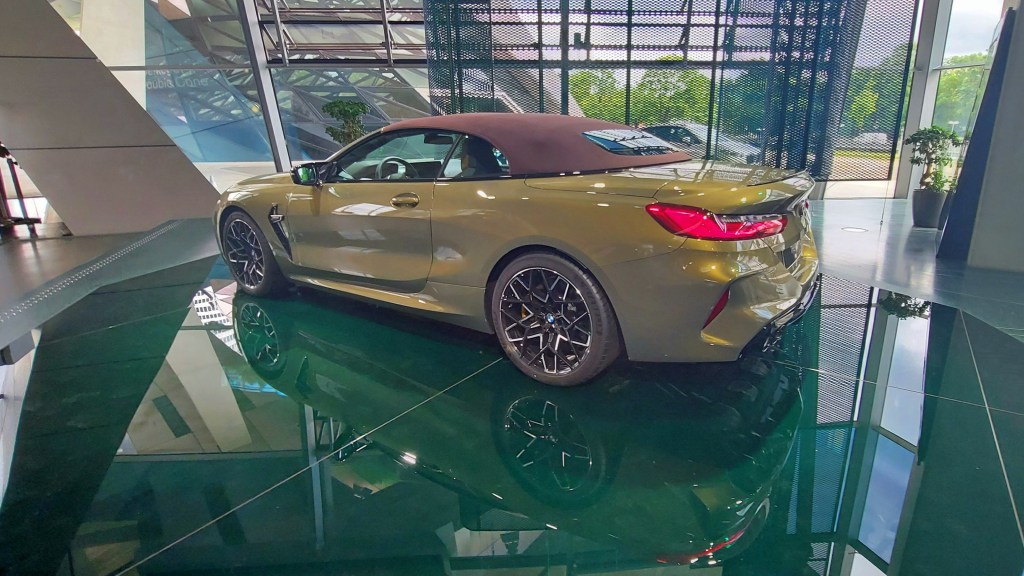
BMW Welt, a huge hall, houses the latest models from BMW, MINI, and Rolls-Royce. Admission is free, and you can walk among the cars and take a closer look.
Those who want to delve even deeper into the world of vehicles can visit the BMW Museum next door. For an admission fee, you can learn more about the BMW brand – from its beginnings to the present day. Several unique designs and prototypes are on exclusive display there.
Olympic Stadium
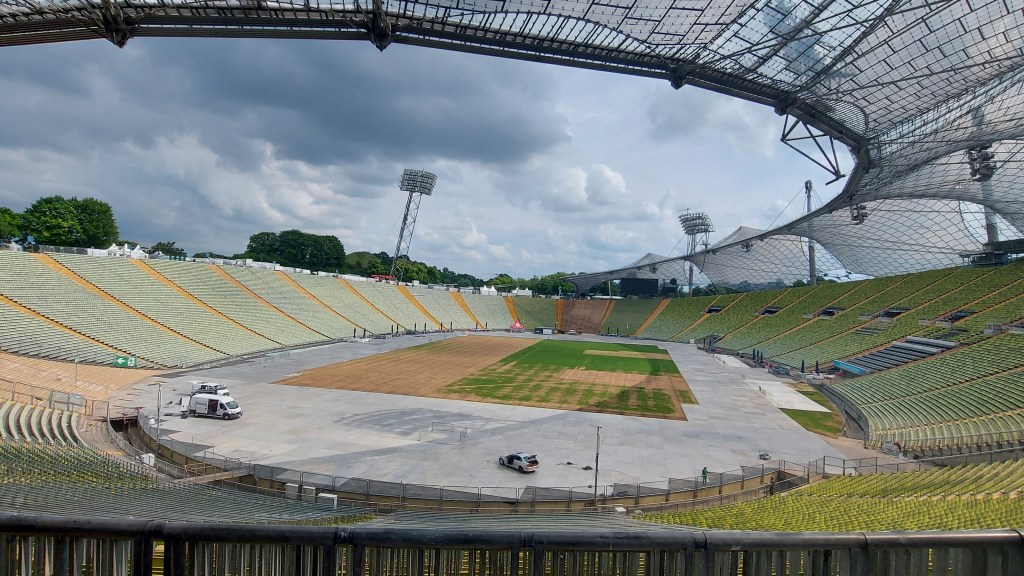
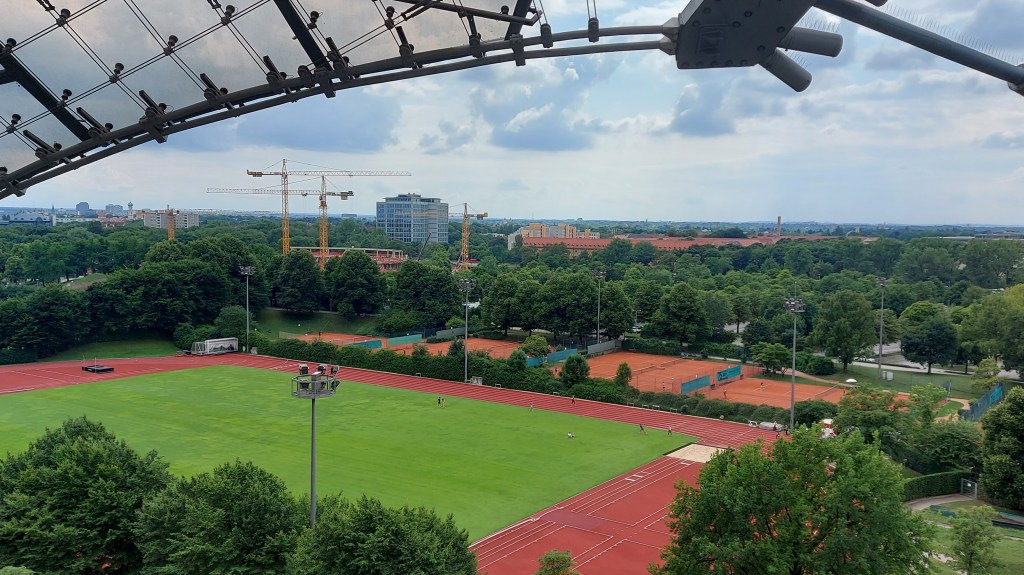
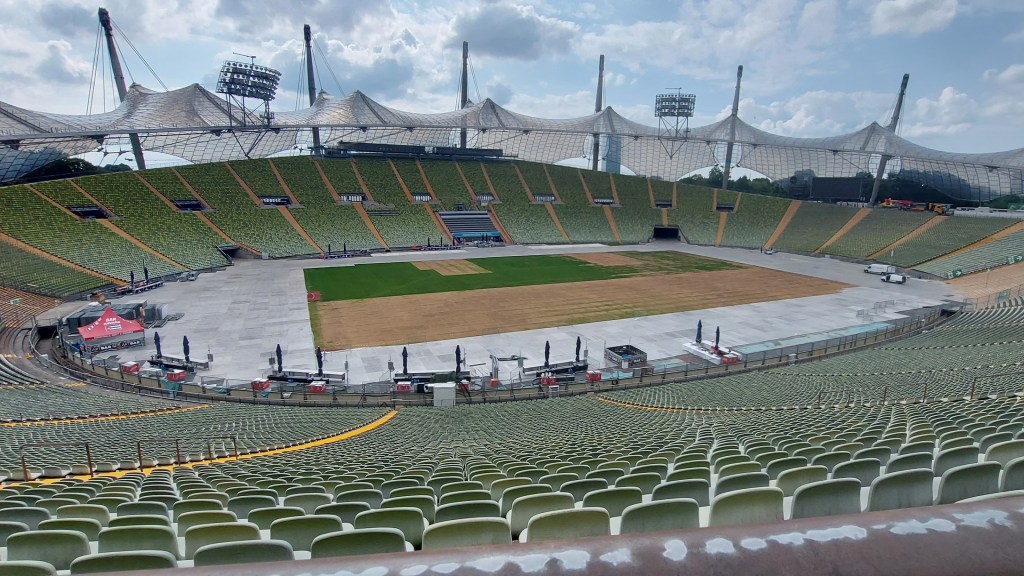
Right next to the BMW Museum is the large Olympic Park. One of the highlights is the Olympic Stadium with its unique roof structure. If you climb the stands, you have a good view of the stadium on one side and a nice view of part of Munich on the other.
Olympic Park viewpoint
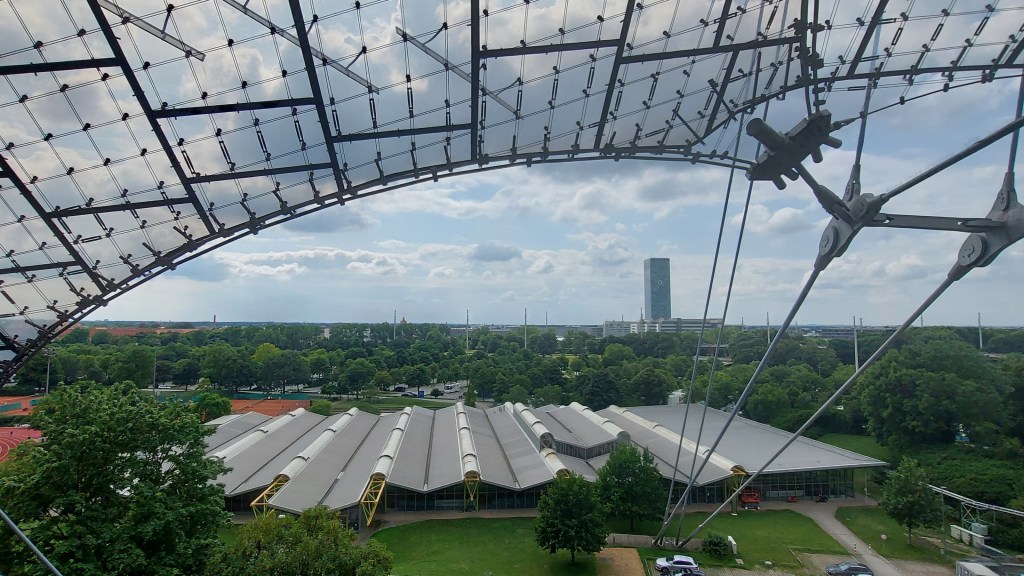
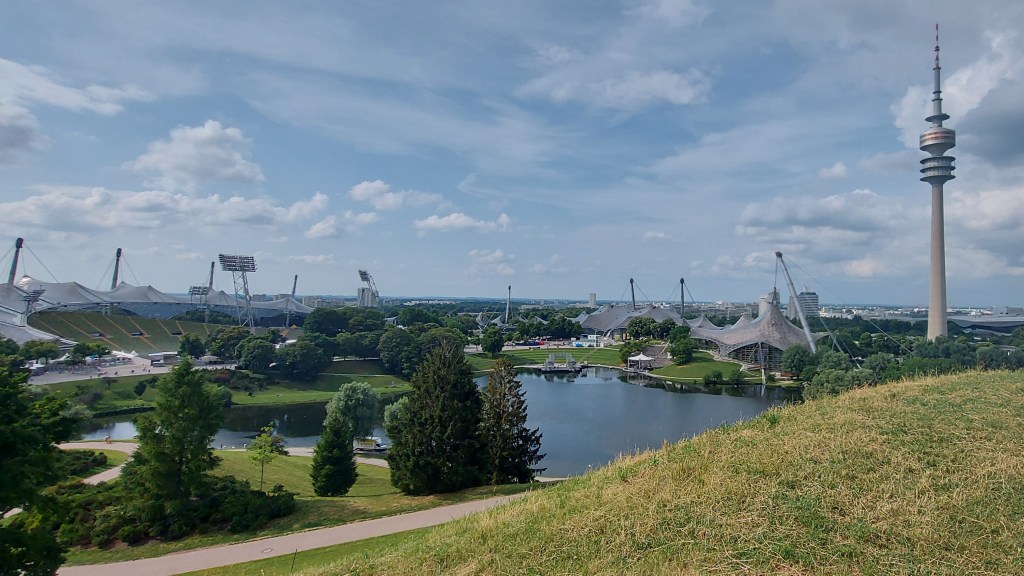
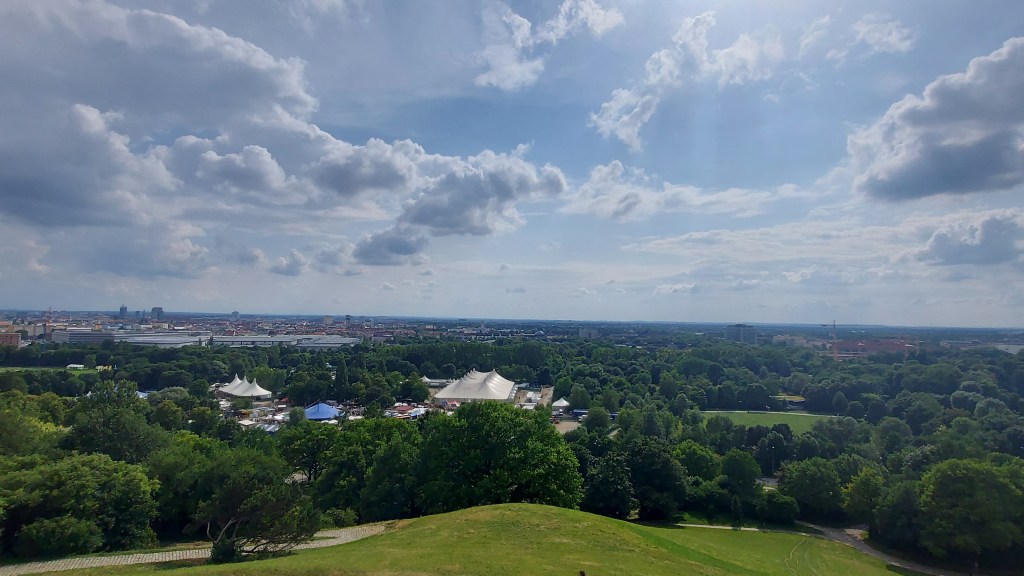
Several paths lead from the stadium to the Olympiaberg. The top of the hill offers a magnificent panoramic view of the park and Munich. The Olympic Tower clearly stands out.
Incidentally, the entire park was designed for the 1972 Olympic Games. Today, the site remains a center for entertainment and sporting events.
The streets of Munich
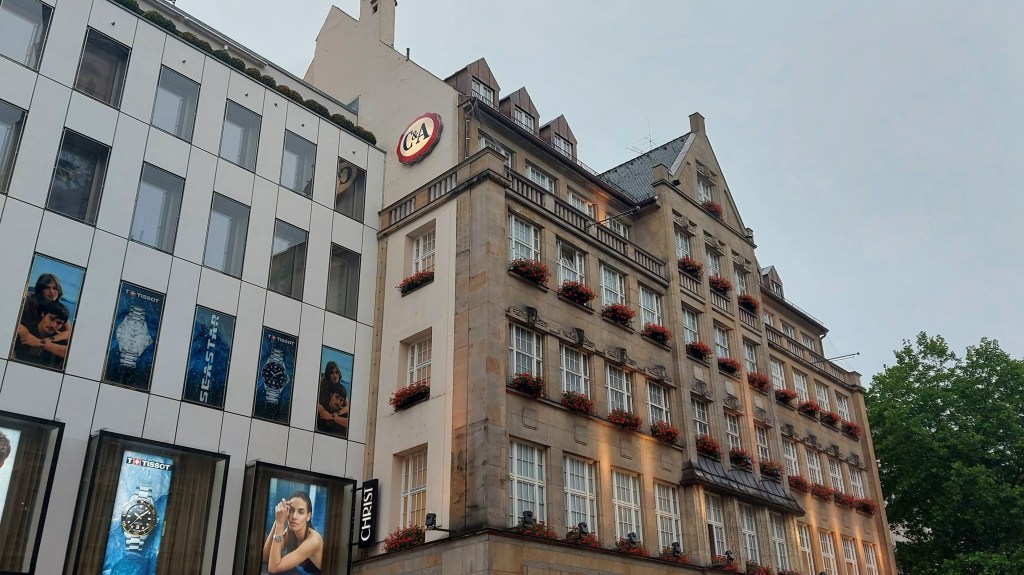
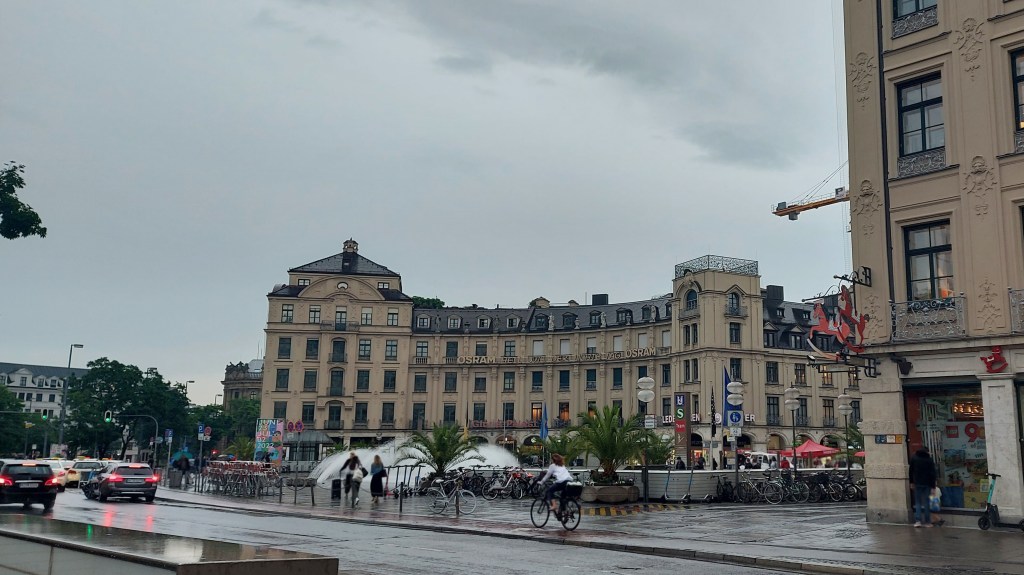
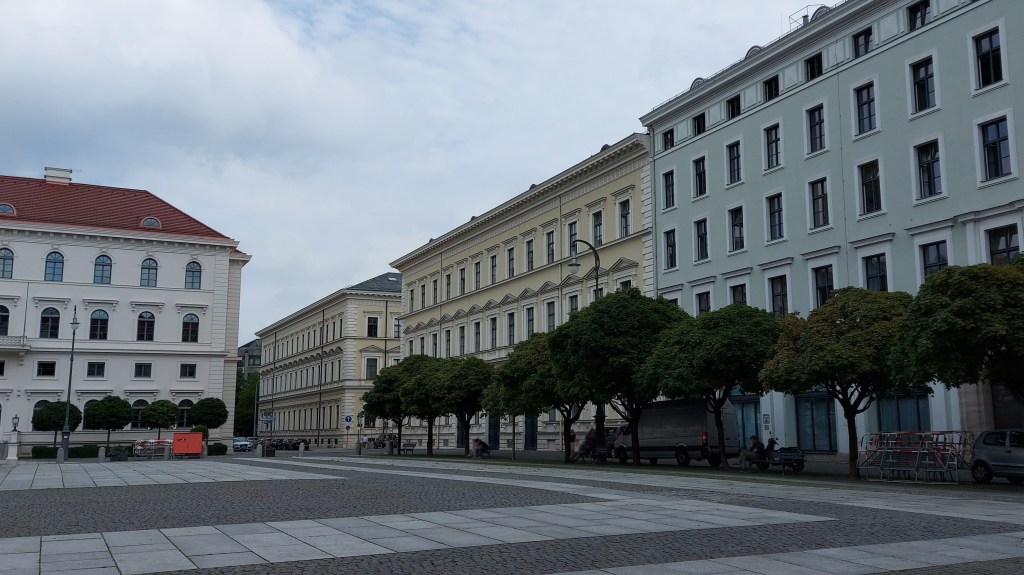
In Munich, historic buildings and modern new constructions meet. However, the former characterizes the city’s image. Combined with local traditions, it is a unique flair that one feels when visiting the city. On a leisurely walk – or a bike ride – through the streets of Munich, you can discover numerous impressive places, squares and buildings.

If you are interested in receiving regular notifications when a new blog post is online, subscribe to the newsletter.
Thank you for reading this blog post! I wish you a nice day and see you soon!
Zsofia

 Alpinia Travel
Leave a comment